Clean carpets make a house feel fresher, but the real value is below the surface. Soil, dust, grime, allergens, spills, pet accidents, and odor can settle into carpet fibers long before carpets look dirty. This guide explains how to choose a carpet cleaner, compare methods, manage stain removal, and maintain carpets without wasting money or risking damage.
Key Takeaways
- Professional carpet cleaning, including steam cleaning, hot water extraction, and dry carpet cleaning, helps keep carpets healthier and can extend carpet life by several years.
- Carpets should be cleaned at least once a year for hygiene; homes with pets, kids, or allergies may need cleaning every 4-6 months.
- Certified professionals using modern equipment remove dirt, allergens, pet hair, pet odors, and stains more effectively than most DIY tools.
- In 2026, many U.S. homes pay about $150-$300 for a standard professional cleaning service, depending on size, soil level, and method.
- Choose the cleaning process based on carpet fibers, drying time, stains, and whether you need a deep clean or a super quick dry clean refresh.
Find Carpet Cleaners Near You
Local carpet cleaners matter because they can respond faster, understand local conditions, and often rely on reviews from nearby homeowners. A coastal home may need more moisture control, while dusty suburbs may need stronger dry soil removal before washing.
Search “carpet cleaning near me,” then narrow results by 4.5+ star ratings, years in business, and whether the company serves your ZIP code. Look for licensed and insured carpet cleaning services, especially because the carpet cleaning industry is not heavily regulated.
Useful filters include IICRC-certified professionals, upholstery cleaning, pet odor treatment, water extraction, same-day cleaning service, and eco-friendly options. Many cleaners now list direct phone numbers and online booking forms, so you can request quotes within minutes.
Before calling, gather:
- Room count, stairs, and square footage
- Carpet type, if known: wool, nylon, polyester, or blend
- Stain locations, including ink, coffee, wine, and pet stains
Need Help Choosing a Carpet Cleaner?
You do not need technical jargon to pick a good carpet cleaner. You just need to compare 3-5 local carpet cleaning companies with a consistent checklist.
Check reviews from 2022-2026, confirm insurance, and verify training. IICRC certification guarantees that technicians follow strict professional standards, including fiber identification, safe chemistry, and proper drying. Certified professionals should be asked about their experience with different carpet fibers because different carpets require specific cleaning treatments to avoid structural damage.
Ask these questions by phone or email:
- What methods do you use: steam cleaning, hot water extraction, dry carpet cleaning, or Hot Carbonating Extraction?
- Are your cleaning products low-VOC, non-toxic, and safe for children or pets?
- How long will carpets stay wet?
- Is stain removal, deodorizing, and rinse included?
- Do you provide written quotes?
Companies should provide written quotes to avoid bait-and-switch pricing. Avoid “$29 whole house” ads that often lead to upselling or rushed work. If you want to understand the real difference between doing it yourself and hiring a certified team, read our breakdown on professional carpet cleaning vs DIY.
Compare and Select Your Carpet Cleaner
- Compare method: hot water extraction for deep clean, dry carpet cleaning for fast drying, or steam cleaning when appropriate.
- Read recent reviews for punctuality, results, and how technicians handle stubborn stains.
- Ask whether technicians are employees or subcontractors and whether background checks are performed.
- Confirm guarantees, re-clean policies, and response time.
- Ask about non-toxic, eco-friendly cleaning solutions safe for households with children or pets.
- Confirm availability during spring deep cleans and the November-December rush, then shortlist one backup carpet cleaner in case plans change.
Professional Carpet Cleaning Methods Explained
Not all carpet cleaning is the same. The right process depends on fiber, soil level, stains, drying time, and access. Apartments may need portable equipment, while houses often allow truck-mounted systems.
Hot water extraction is the most effective method for deep cleaning carpets. Dry carpet cleaning systems are growing in market share because very low moisture systems allow rapid drying times. Some brands also use specialized systems; for example, Chem-Dry has been in carpet cleaning for over 45 years, and Chem-Dry cleans over 10,000 households daily worldwide.
Best fit:
- Best for quick drying: dry carpet cleaning
- Best for deep clean: hot water extraction
- Best for delicate fibers: gentle low-moisture cleaning or off-site rug care
Our team follows a thorough multi-step approach for every job. You can learn exactly what happens from pickup to delivery in our detailed rug cleaning process overview.
Hot Water Extraction (Often Called Steam Cleaning)
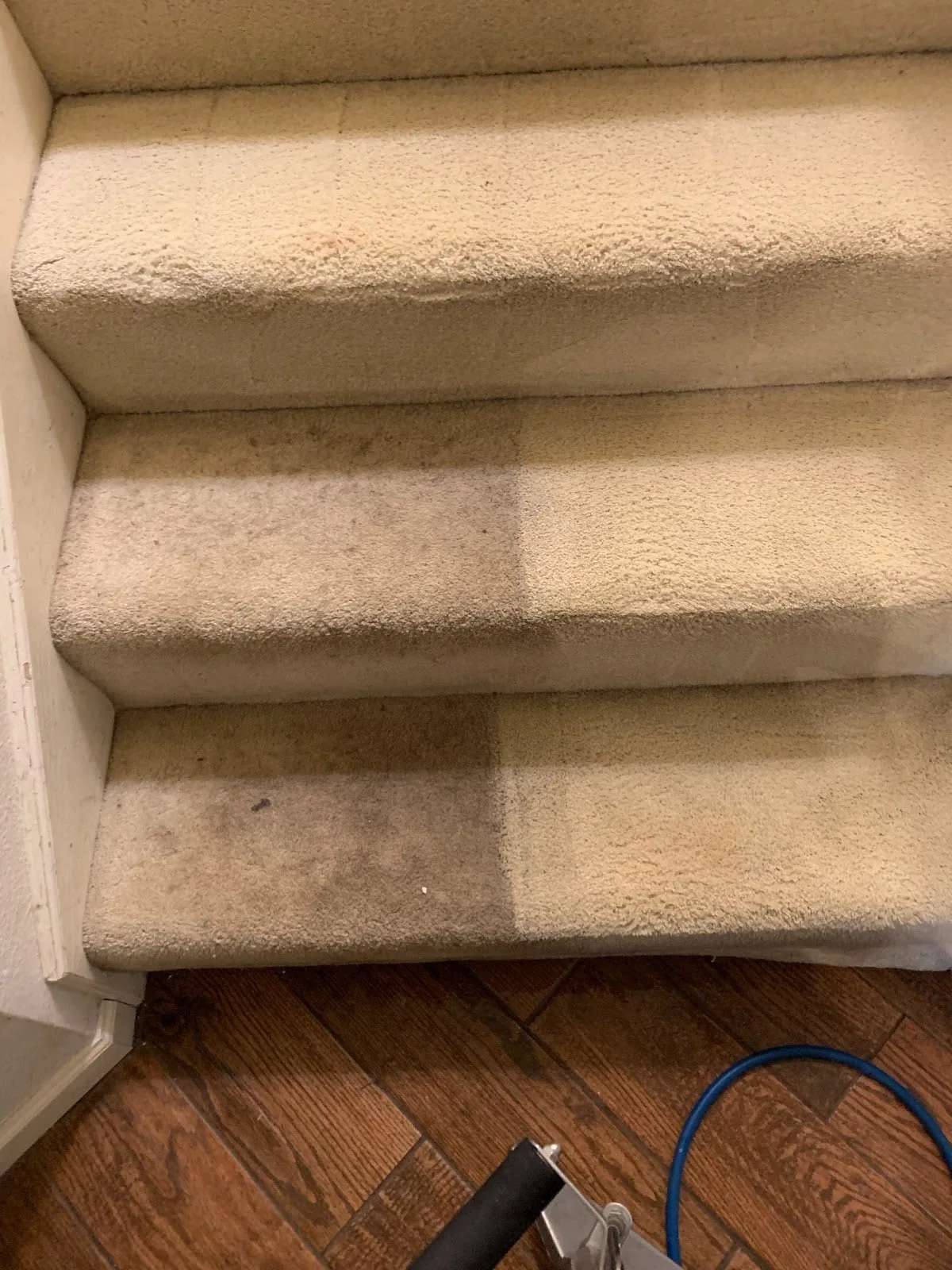
Hot water extraction injects high-pressure hot water and specialized cleaning agents deep into carpet fibers. A powerful vacuum then performs water extraction to remove dirt, detergents, soil, and moisture.
Many carpet cleaners use truck-mounted systems for high heat and suction. Portable units help in condos, high-rises, and buildings with limited access. While many people call this steam cleaning, the cleaning comes from hot water extraction rather than visible steam from a steam cleaner.
Hot water extraction is highly effective against allergens, mites, and odors. It also helps remove stains from coffee, tea, tracked-in mud, and common spills. Drying is usually 4-8 hours with airflow, but hot water extraction takes 6 to 24 hours to dry after cleaning in humid or heavily soiled conditions. Soaking carpet backing can lead to mold, mildew, or odors, so fans and ventilation matter.
Dry Carpet Cleaning and Low-Moisture Options
Dry carpet cleaning uses a small amount of moisture, absorbent compound, foam, or encapsulation chemistry. Dry carpet cleaning systems are very low moisture systems, and carpets can often be walked on within 30-90 minutes.
Encapsulation cleaning binds soil particles into dry residues, which are removed later by vacuuming. Bonnet cleaning only cleans the top 1/8 inch of carpet, so it improves appearance but is not full restoration. Vacuum washing extracts dirt from carpets to a depth of half an inch. Hot Carbonating Extraction uses carbonation for deep cleaning with less water than traditional extraction.
Dry cleaning is ideal for delicate rugs or heavy-traffic areas requiring quick drying, including offices, hotels, area rugs, and pre-event refreshes. It may not remove heavy deep-down soil as well as full hot water extraction.
Stain Removal and Everyday Spot Care
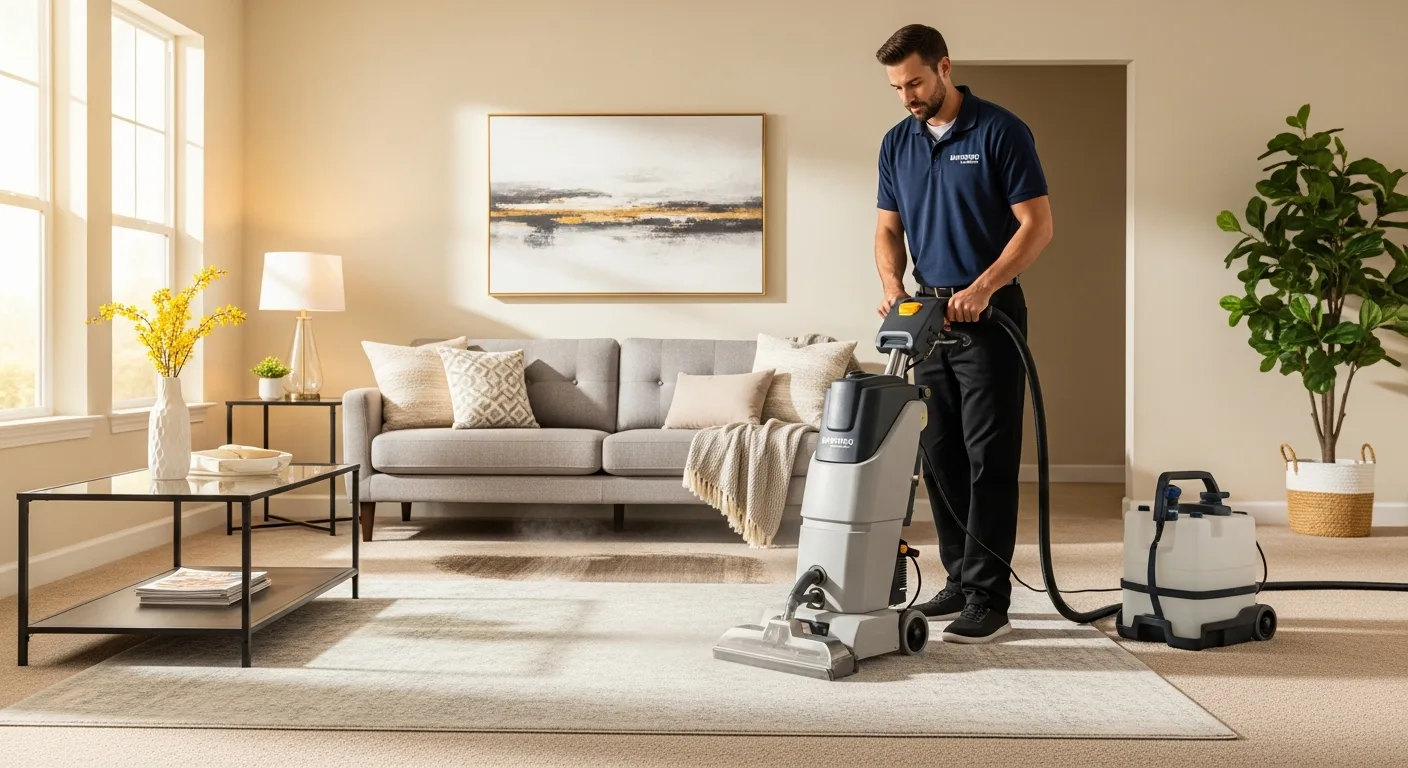
Fast stain removal can prevent permanent damage and help you avoid having to replace carpet. Immediate blotting reduces chances of permanent stains, while scrubbing can damage fibers and push liquid deeper.
For spills, blot with white towels, test cleaning products in a hidden area, and avoid over-wetting the pad. Stains left longer increase the risk of permanent color change. Artificial food coloring stains are often permanent without professional help. Candle wax can be removed using steam from a clothes iron, but use a towel barrier and low heat.
Call professional cleaners for older stains, bleach spots, burst-pipe water damage, or large pet urine zones. Certified technicians use specialty cleaning solutions, UV lights, and extraction tools to remove stains safely. For more detailed techniques on specific stain types, see our carpet stain removal expert tips.
Pet Stains and Odor Control
Pet stains are different because urine can move from the surface into backing, pad, and subfloor. Basic surface clean may improve appearance but leave odor behind.
Professional cleaning can remove pet hair and odors effectively. Pet urine odors can be eliminated with specialized treatments, including enzymatic and oxidizing solution options that break down odor compounds instead of masking them. For persistent odors that keep returning after DIY attempts, our professional odor removal service uses industrial-strength enzymatic treatments that reach deep into carpet padding and subfloor.
Severe pet accidents may require pad replacement or subfloor sealing. Multi-pet homes should schedule pet-focused carpet cleaning or upholstery cleaning at least once a year, and often every 4-5 months if accidents are common.
Upholstery Cleaning and Other Soft Surfaces
Sofas, armchairs, sectionals, and mattresses can hold as much dust, pet hair, and allergens as floors. Many carpet cleaning specialists also clean upholstery using lower pressure, fabric-safe detergents, and tools for cushions and seams.
Microfiber, linen blends, velvet, leather, and upholstered furniture need different care. Training matters because too much heat, water, or agitation can cause shrinkage, color bleed, or texture changes. Add-ons may include deodorizing, protectant, fabric dining chairs, and upholstered headboards.
Booking carpet and upholstery cleaning on the same visit can reduce disruption and save money.
Mattresses, Rugs, and Stairs
Mattresses benefit from allergen and dust mite reduction, especially for people with asthma or seasonal allergies. A rug or runner may be cleaned in place if synthetic, while wool or oriental area rugs may need off-site washing at a dedicated facility with controlled drying.
Stairs and landings take abuse from shoes, pets, and daily traffic. These zones may need targeted stain removal and more frequent cleaning than bedrooms.
How Often Should You Clean Your Carpets?
Most homes should clean carpets every 12 months. Carpets should be cleaned at least once a year for hygiene, indoor air, and warranty records.
As a guide: single adults with light use may clean every 12-18 months; families with children usually need every 6-12 months; pet owners should clean carpets every 4-5 months if you have pets; allergy sufferers often benefit from 6-month service. High-traffic areas may require cleaning every 3-6 months, especially hallways, living rooms, and stairs.
Many carpet warranties from the 2020s require professional hot water extraction every 12-18 months with receipts. Wet winters, dusty summers, and pollen-heavy spring weeks can also change your schedule.
DIY Maintenance Between Professional Visits
Regular vacuuming combined with targeted stain treatment is essential for carpet maintenance. Vacuum high-traffic areas 2-3 times per week, use entry mats, and remove shoes indoors.
Small machines can help with touchups, but weak suction may leave residue. DIY should complement, not replace, certified professionals with strong extraction or low-moisture systems.
Weekly tasks:
- Spot-check for stains and spills
- Vacuum edges, corners, and under furniture
- Brush or vacuum upholstery
- Maintain tile and grout nearby so dirt does not track onto carpets
Costs, Quotes, and What to Expect from a Cleaning Service
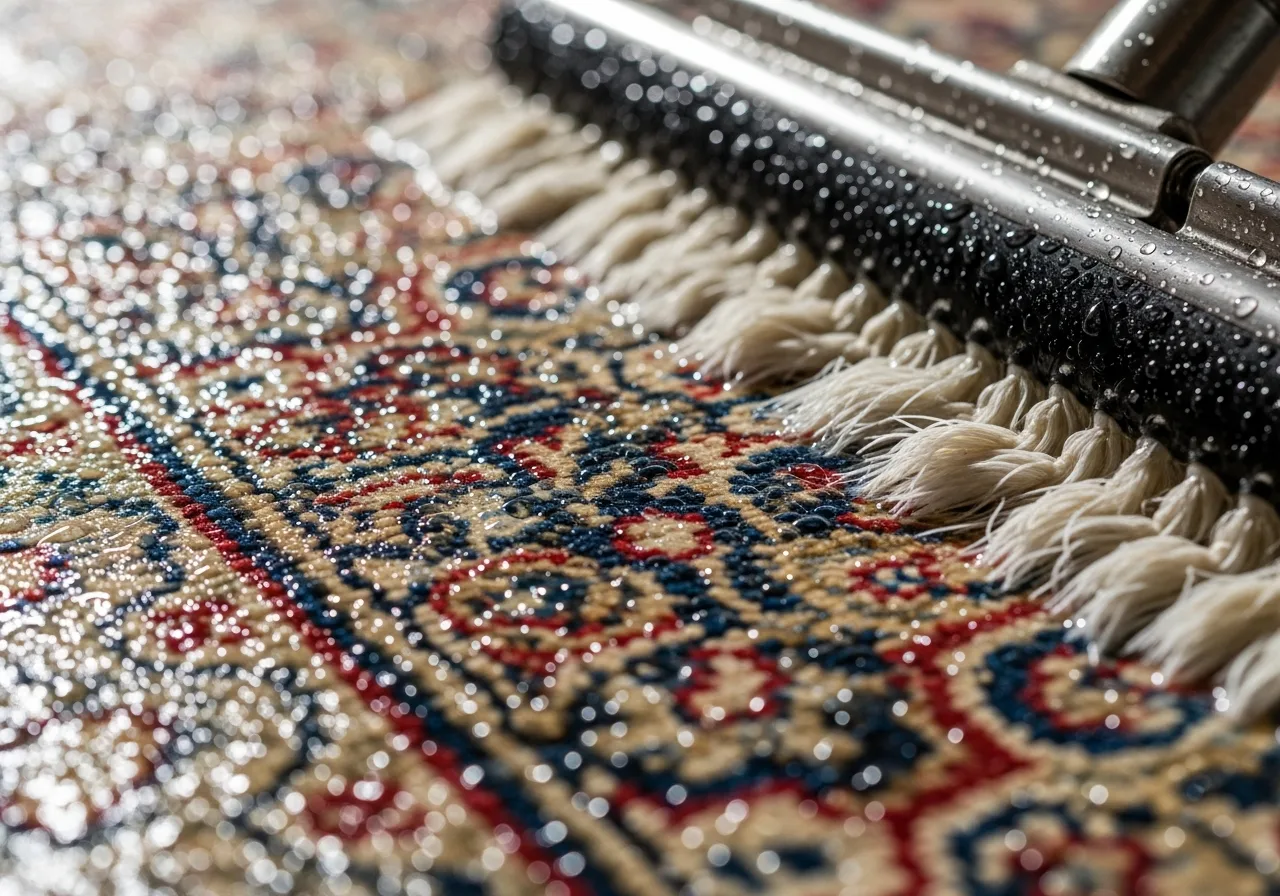
A typical service includes inspection, vacuuming, pretreatment, main cleaning, grooming if needed, and final walkthrough. The technician should explain the job, drying plan, and any limits before work starts.
In 2026, many carpet cleaning services charge about $40-$80 per room, with whole-home averages often around $150-$300. Add-ons may include stairs, heavy furniture moving, severe stain removal, pet treatments, and emergency water extraction after leaks.
Ask for itemized quotes by email or text. Confirm taxes, fuel charges, disposal fees, protectant, and after-hours pricing. Also ask how long to stay off carpets; clean socks are usually fine before heavy furniture goes back.
Certified Professionals and Safety Standards
Certified professionals reduce risk because they understand fiber type, pH, moisture control, and safe drying. The IICRC publishes professional standards for textile floor coverings and related cleaning processes.
Reputable cleaners carry liability insurance and may background-check technicians entering homes or offices. Modern cleaning products in 2026 are often low-VOC, biodegradable, and designed to be safe around children, elderly family members, and pets when used correctly.
Asking about training, products, and safety is normal. A good company will stand behind its process and explain every service clearly. Ready to get a quote? Contact us for a free estimate and we will walk you through the full process before any work begins.
FAQ
Can I walk on my carpets right after professional cleaning?
For most hot water extraction or steam cleaning jobs, light use with clean socks is usually possible after a few hours. Heavy furniture should stay off until carpets are fully dry.
Low-moisture or dry carpet cleaning methods often allow near-immediate use. Exact timing depends on humidity, temperature, and air circulation, so follow your carpet cleaner’s guidance.
Are rental carpet cleaners as good as professional equipment?
Rental cleaners can freshen the surface and help with minor spills. They usually lack the suction, heat, and water extraction power of professional equipment.
Weak extraction can leave excess water and detergents, causing recurring stains or musty odor. Use DIY tools carefully, but schedule periodic professional service for deep cleaning.
What should I do to prepare my home before the carpet cleaner arrives?
Clear small items, toys, cords, and fragile objects. Point out old stains, traffic lanes, pet accident areas, and any furniture that should not be moved.
Some services move light furniture, but pianos, aquariums, and heavy bookcases usually stay in place. Confirm preparation steps when booking.
Is steam cleaning safe for all types of carpets and rugs?
Most synthetic carpets tolerate properly performed hot water extraction. Some wool, silk, jute, or antique rugs need gentler low-moisture methods.
Tell technicians about hand-knotted rugs, custom installations, or delicate fibers. Incorrect DIY steam cleaning can cause shrinkage, color bleeding, or texture damage.
Can carpet cleaning help with allergies and indoor air quality?
Yes. Professional carpet cleaning removes built-up dust, pollen, pet dander, mites, and allergens that regular vacuuming may leave behind.
For best results, combine deep cleaning with routine vacuuming, upholstery cleaning, HVAC filter changes, and general house cleaning. If you want healthier carpets and cleans that last, contact a licensed, insured professional and get a written quote before booking.
We are a trusted, family-owned carpet and rug cleaning company serving the Greater Chicago area. Check our reviews and location on our Google Business Profile to see why Chicago homeowners trust us with their carpets and rugs.