Not every rug is cleaned the same way
Hand-knotted oriental rugs are made from natural fibers and delicate dyes, so they need a far gentler process than synthetic, hand-tufted, flatweave, or natural-fiber rugs.
This guide explains what makes an oriental rug different and how the right method changes from one rug type to the next — and why professional oriental rug cleaning takes gentler steps than standard rug washing.
The short answer
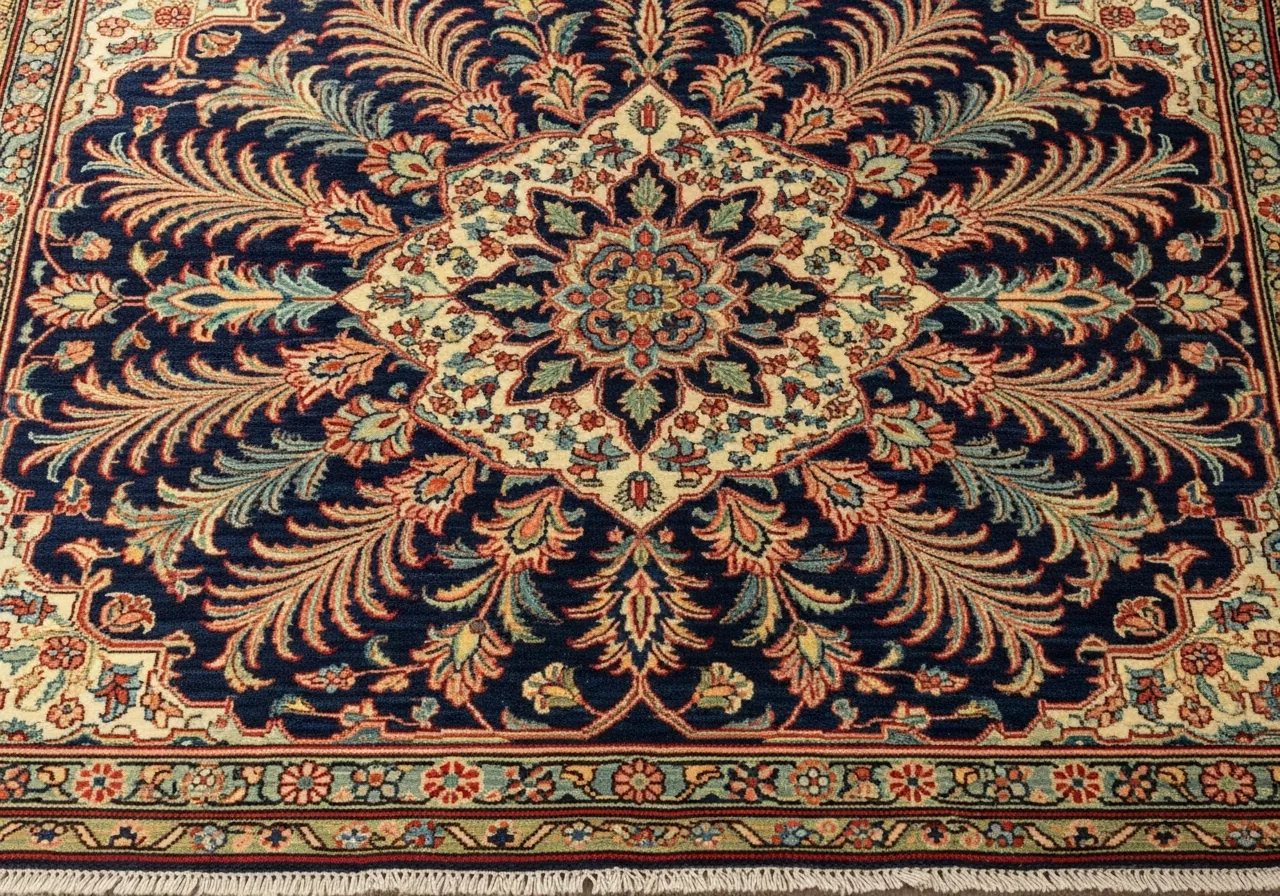
An oriental rug is hand-knotted from natural wool, silk, or cotton and colored with delicate dyes, so it needs cool, pH-neutral hand-washing, dye testing, and slow controlled drying.
Other rugs — synthetic area rugs, hand-tufted rugs, flatweaves, and plant-fiber rugs — each react differently to water and chemistry, so the safe cleaning method changes with the rug. Using the wrong method on an oriental rug can cause permanent color bleeding, shrinkage, and foundation damage that later needs specialized rug restoration.
What exactly is an oriental rug?
An oriental rug is a hand-knotted textile, traditionally made in regions such as Iran (Persia), Turkey, India, China, Afghanistan, and Pakistan. Unlike machine-made or glued rugs, every knot is tied by hand, which is why fine rugs can take months or years to weave and often become family heirlooms. Three features make them fragile in ways most other rugs are not:
Natural fibers
Wool, silk, and cotton react to heat and moisture very differently from the polypropylene, polyester, and nylon used in most modern rugs.
Natural dyes
Many traditional rugs use plant- and insect-based dyes that can run or fade when exposed to high heat or harsh detergents.
Cotton foundation & fringe
The warp and weft form the rug's structure, and the fringe is an extension of that foundation — not a decorative add-on. Damage here is structural, not cosmetic.
How cleaning differs from one rug type to the next
The right method depends on how a rug is built and what it is made of. Here is how an oriental rug compares to the other rugs we see most often.
Why an oriental rug needs the gentlest method
The shortcuts that are safe on synthetic or machine-made rugs are exactly what damages a hand-knotted oriental rug. These are the most common types of irreversible damage we see.
How we clean an oriental rug the right way
Our gentle, multi-stage five-step process protects the fibers, dyes, and foundation at every stage.
Inspection & dye testing
We examine the fibers, foundation, and fringe, then test the dyes for colorfastness so we know exactly how the rug will behave in water before we begin.
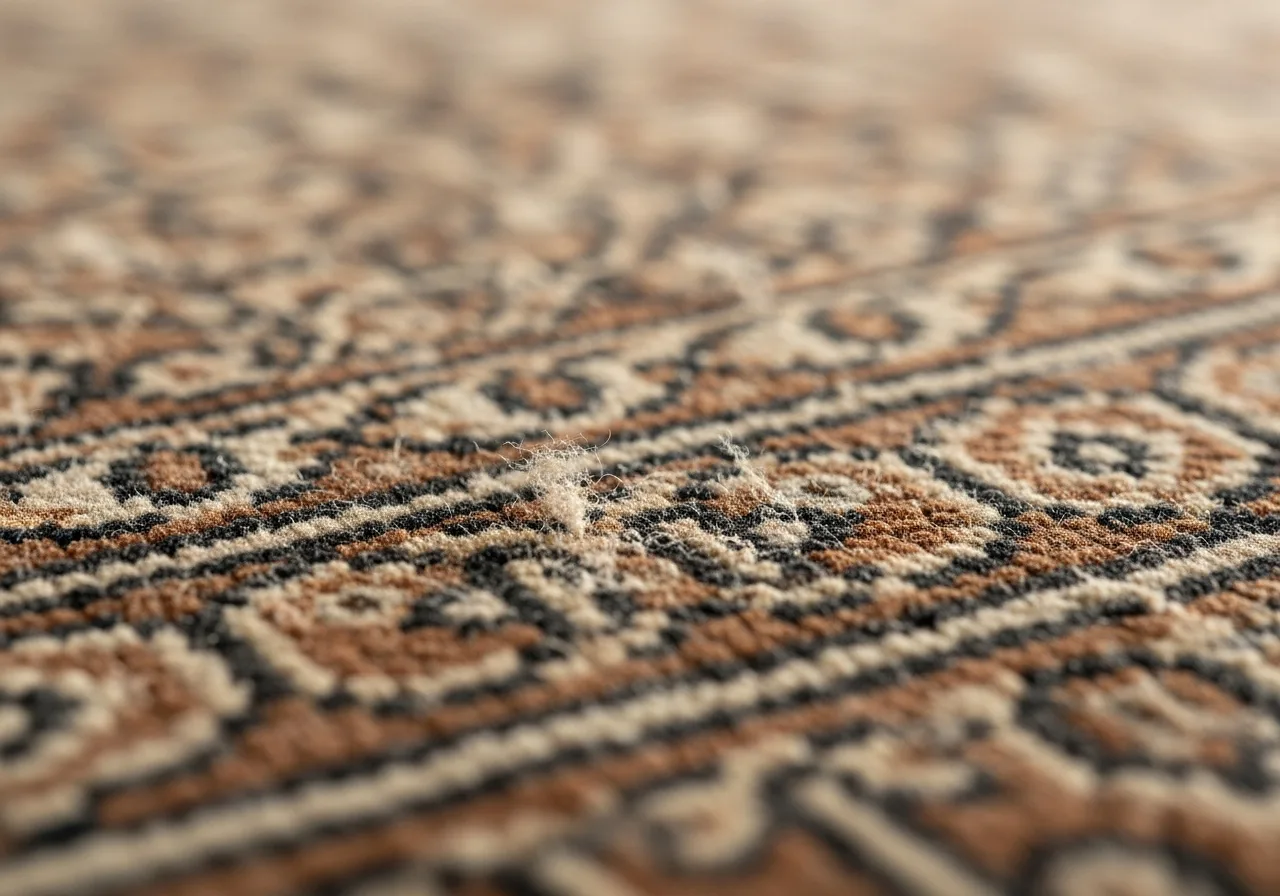
Dusting
Pounds of dry soil and grit hide deep in the pile. We remove it first — loose dirt is far easier to lift before washing than after it turns to mud.
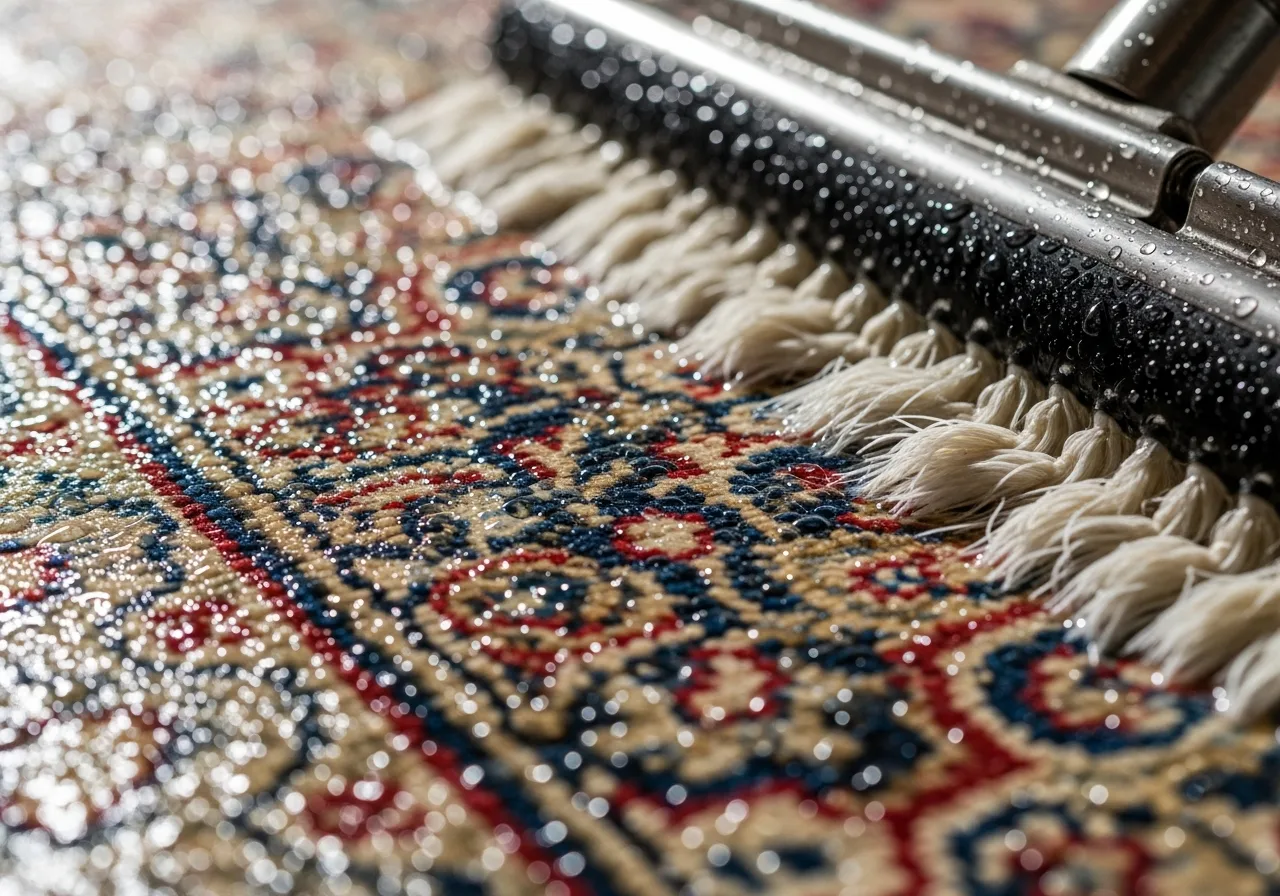
Gentle hand-washing
The rug is fully immersed and hand-washed with a cool, mild, pH-neutral solution worked gently through the pile — no harsh chemicals, no machine force.
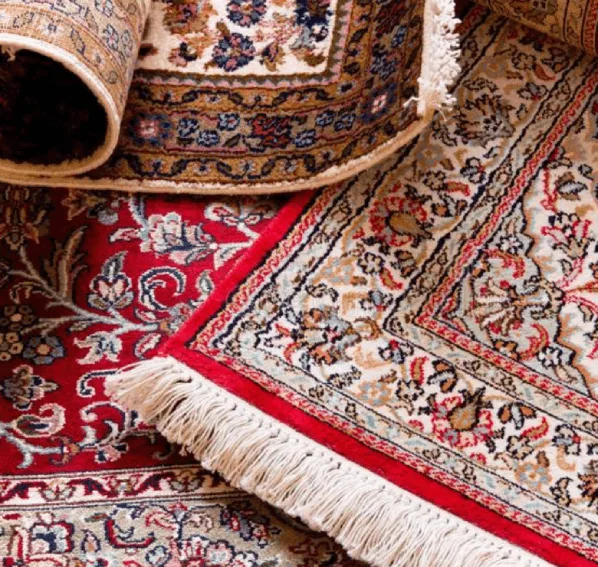
Controlled drying
Rugs are dried in a climate-controlled space so the cotton foundation never stays damp long enough to weaken, rot, or grow mildew.
_1769030523308-smIhba5Q.webp)
Detailing & final inspection
Fringes are cleaned, the pile is groomed, and we inspect once more before your rug is wrapped and returned. Learn more on our oriental rug cleaning service page.
Which rugs need specialized oriental rug cleaning?
Specialized hand-washing is recommended for hand-knotted and natural-fiber rugs. Synthetic machine-made rugs are usually more forgiving, while hand-tufted and plant-fiber rugs need their own gentler methods. These are the types we hand-wash most often:
Wondering what it costs?
Pricing depends on size, fiber, and condition. Not sure what you own? We identify the construction first.
Not sure how your rug should be cleaned?
Send us a few details or call and we'll tell you the safest approach — with free pickup and delivery across Chicago.
Frequently asked questions
Can an oriental rug be cleaned the same way as other rugs?
What is the difference between cleaning a hand-knotted and a hand-tufted rug?
How do I know if my rug is a real oriental rug?
Can synthetic or machine-made area rugs be cleaned more aggressively?
Do you pick up and deliver rugs in Chicago?
Have it cleaned the right way
Visit our oriental rug cleaning service page for pricing and fiber-specific care, or request a free quote and we'll guide you through the process — with free pickup and delivery across Chicago.