Most carpet cleaning advice tells you what products to buy. Fewer guides tell you how to actually clean effectively without ruining your carpet or wasting hours on methods that don’t work. This guide covers the real “best way” to clean carpets in 2026—meaning the safest, most effective, and most realistic approach for a busy home with real dirt, real stains, and real time constraints.
Key Takeaways
- The best way to clean carpets combines three habits: frequent vacuuming (at least weekly, more in high traffic areas), immediate spot cleaning of spills, and periodic deep cleaning every 6–12 months.
- Your ideal cleaning method depends on carpet type (wool vs synthetic), soil level, and household factors like pets, kids, or allergies.
- Two main deep clean options exist: using an upright carpet cleaner for speed and power, or a machine-free DIY method with baking soda, vinegar, dish soap, and warm water.
- Critical safety rules include always doing a spot test first, avoiding oversaturation, never mixing vinegar with bleach, and calling a professional carpet cleaner for severe odors or water damage.
- Quick, complete drying (within 4–24 hours) prevents mildew growth and musty smells—airflow is essential.
Why Carpet Cleaning Matters & What “Best Way” Really Means
When we talk about the “best way” to approach carpet cleaning, we mean the method that’s safest for your carpet fibers, most effective at removing embedded dirt and stains, and realistic for your actual schedule. A technique that works perfectly in theory but takes six hours isn’t useful if you have thirty minutes on a Saturday.
Carpets function as massive filters. Over months of foot traffic, they trap dust, pollen, pet dander, bacteria, and volatile organic compounds from adhesives and furnishings. Studies suggest uncleaned carpets can harbor up to four pounds of dirt per square yard—dirt that becomes airborne again whenever someone walks across the room. For allergy sufferers or asthma-prone households, this matters significantly.
Effective cleaning does more than improve appearance. It preserves pile integrity, maintains color, and can extend carpet life from 5–7 years of visible wear to 10–15 years of continued good condition. Different homes need different strategies: a single-person apartment and a family with two kids and a shedding dog operate on completely different cleaning schedules.
Why regular cleaning matters:
- Removes allergens that worsen respiratory issues
- Prevents abrasive grit from grinding down carpet fibers
- Maintains manufacturer warranty requirements
- Keeps carpets looking fresh between professional visits
How Often Should You Clean Carpet for Best Results?
The foundation of the best method isn’t a magic cleaning solution—it’s frequency. Consistent light maintenance outperforms occasional intensive cleaning every time.
Vacuuming frequency:
- Low-traffic rooms (guest bedrooms, formal spaces): Once per week minimum
- High traffic areas like hallways, living rooms, entryways: 2–3 times per week
- Homes with shedding pets: Daily quick passes in main living areas
Regular vacuuming alone removes up to 85% of carpet soil when done properly. Use slow, overlapping passes in perpendicular directions, and always hit baseboards and furniture edges with crevice tools.
Spot cleaning: Handle fresh stains immediately—within minutes when possible. Speed prevents wicking (where the stain travels deeper into fibers) and permanent setting. Keep cleaning supplies accessible so you’re not hunting for a clean cloth while wine soaks into your carpet.
Deep cleaning schedule:
- Low-use spaces: Every 12 months
- Average family homes: Every 6 months
- Pet owners, allergy sufferers, or light-colored carpets: Every 3–6 months
Professional hot water extraction should happen every 12–24 months for wall-to-wall carpet, particularly for warranty compliance. Manufacturers like Stainmaster require professional cleaning every 18 months to maintain coverage.
Check This First: Carpet Type & Pre-Cleaning Prep
The best cleaning method for nylon differs dramatically from wool. Skipping this step can mean permanent damage.
Find your carpet’s label—usually on the backing near a corner or on manufacturer documentation. Note the fiber content: nylon and polyester handle hot water extraction and most cleaning solutions well. Wool requires gentler, pH-neutral treatments to avoid felting or color damage. Olefin resists moisture but can crush under heavy agitation.
If the tag is missing:
- Assume the most conservative approach
- Avoid high heat and harsh chemicals
- For wool or antique area rugs, consult a professional before DIY deep cleaning or consider specialized Oriental rug cleaning services
Essential pre-cleaning steps:
- Move lightweight furniture and heavy furniture if possible
- Vacuum thoroughly with multiple slow passes
- Pay extra attention to edges, corners, and under furniture where loose dirt accumulates
- Pre-treat any obvious stains with appropriate stain remover before general cleaning
- Perform a spot test on any new cleaning products in an inconspicuous area—wait until completely dry before proceeding
Best Way to Spot-Clean Fresh Carpet Stains
Fast, correct spot cleaning often matters more than what carpet cleaner machine you own. Most stain damage happens in the first few minutes while you’re searching for supplies.
The blotting rule: Always blot, never rub. Rubbing grinds particles deeper into carpet fibers and can distort pile permanently. Use a white cloth or white microfiber towel (colored fabrics can transfer dye) and work from the spill’s outside edge inward to prevent spreading.
For most food and drink spills:
- Blot up as much moisture as possible immediately
- Mix warm water with a few drops of mild dish soap
- Apply to the affected area with a spray bottle or damp cloth
- Gently agitate with your fingers or a soft brush
- Blot with plain water to rinse
- Blot dry with clean towels
For tannin stains (coffee, tea, red wine): A 1:1 mixture of white vinegar and water helps neutralize these organic stains on synthetic carpets. For light-colored carpets only, diluted hydrogen peroxide (3%) can provide additional stain removal power.
For protein stains (blood, milk, egg): Use cool water first—hot water sets protein stains permanently by causing coagulation. Follow with mild detergent, then blot and rinse thoroughly, and remember that best practices for cleaning area rugs often mirror these gentle, prompt treatment steps.
Best Deep-Cleaning Methods: With and Without a Machine
Two main approaches exist for deep cleaning beyond regular vacuuming: machine-based extraction and manual cleaning without equipment. These methods are designed to deep clean carpets, removing embedded dirt, stains, and odors. Neither is universally “better”—the best method depends on your space, budget, and cleaning needs.
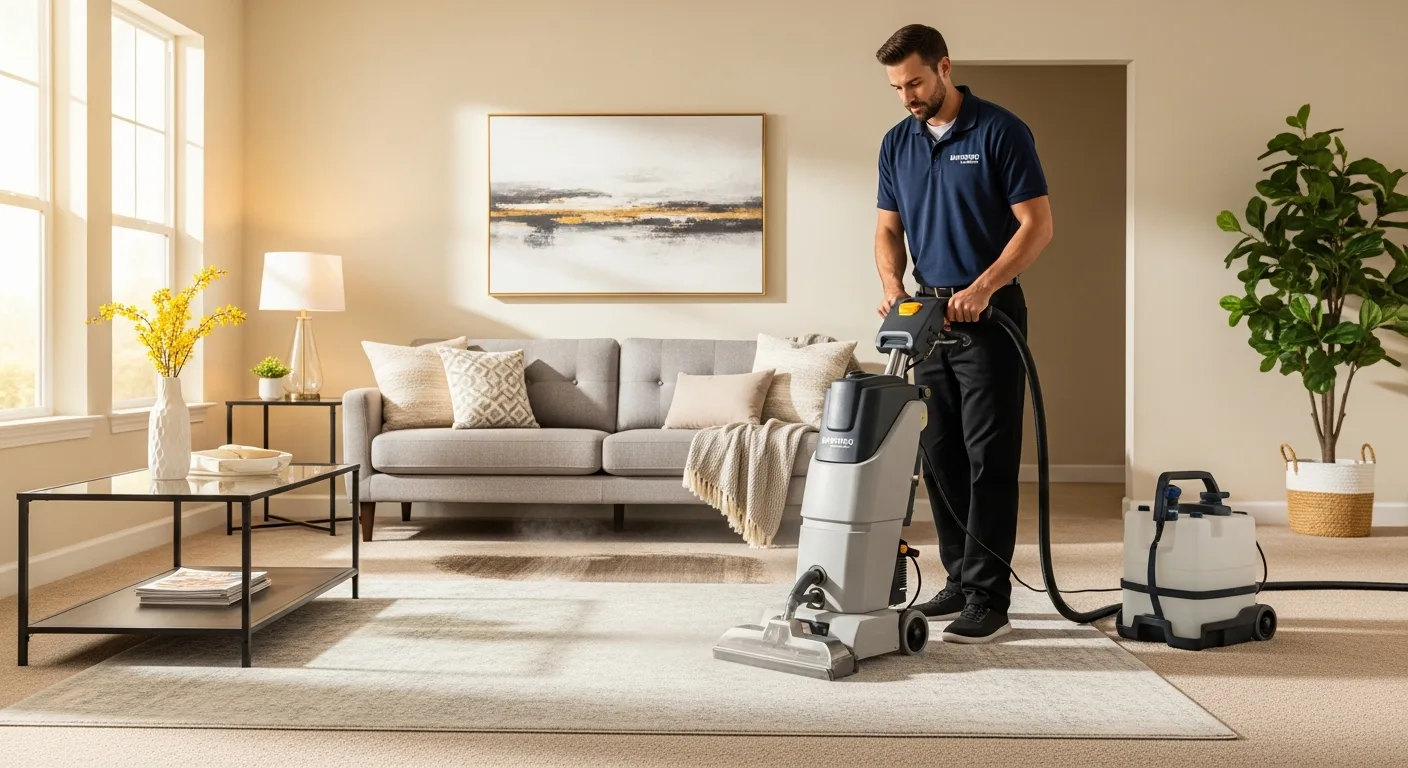
Upright carpet cleaner machines work best for whole-room or whole-house refreshes, particularly in 2–3 bedroom homes or larger spaces where manual work becomes impractical. Hot water extraction, also known as steam cleaning, is recommended by manufacturers for removing deep dirt, allergens, and stubborn stains, and is widely considered the most effective method for deep cleaning carpets.
Manual deep cleaning suits studios, area rugs, targeted spot-focused work, or situations where you can’t rent or store bulky equipment.
Both methods share core principles: thorough vacuuming first, pre-treatment of visible stains, systematic cleaning in sections, and complete drying within 4–24 hours to prevent mildew growth and strong smells.
Encapsulation is a low-moisture cleaning method that uses detergents to crystallize dirt particles for easy vacuuming. Dry carpet cleaning uses specialized, low-moisture compounds and is ideal when quick drying times are needed.
Deep Cleaning with an Upright Carpet Cleaner
Homeowner-grade upright extractors with separate clean and dirty water tanks offer the fastest way to deep clean large areas. Consumer units deliver 300–500 psi versus professional truck-mounted systems at 1700–2200 psi, but they’re still highly effective for routine maintenance.
Step-by-step cleaning process:
- Read both machine and carpet cleaning formula manuals—use only approved detergents at correct dilution ratios
- Fill the clean water tank with warm water (100–120°F, not boiling) and appropriate carpet cleaning solution. For a fresh scent, you may add a few drops of essential oils, but use sparingly to avoid staining the carpet.
- Start in the corner farthest from the door, working backward toward your exit
- Make two passes per strip: one forward-and-back while dispensing solution, then one or two dry passes without the trigger to extract as much moisture as possible
- Empty the dirty water tank before it reaches capacity to maintain suction
- Allow 4–6 hours minimum for the wet carpet to dry; thick pile may need up to 24 hours
Top-performing models in 2026 testing include units with steam-enhanced pre-treatment that lifts stains and reduces drying time. Look for machines with strong suction that leave carpet walkable within a few hours.
Deep Cleaning Carpets by Hand (No Machine)
This cleaning method works well for smaller rooms, apartment area rugs, or when equipment isn’t available. Schedule this for a dry weather day when you can maximize air circulation.
Manual deep cleaning process:
- Vacuum thoroughly with multiple slow passes to remove loose dirt
- Sprinkle baking soda generously across the entire carpet—this absorbs odors and helps lift grime
- Let the baking soda sit for at least 15–30 minutes (overnight for stubborn stains and odors)
- Vacuum up the baking soda completely
- Using a spray bottle, mist (don’t soak) the area with a 1:1 mix of warm water and white vinegar, or a mild dish soap solution. For a fresh scent, you can add a few drops of essential oils to the solution, but use sparingly to avoid staining the carpet.
- Use a scrub brush with soft to medium bristles to gently agitate the carpet fibers in small sections, focusing on high traffic areas
- Blot repeatedly with clean microfiber towels until the carpet feels just slightly damp
- Open windows, run fans, and allow 4–6+ hours for the carpet to dry completely
This method achieves roughly 70% soil removal for light to moderate soiling—less than machine extraction but effective for maintenance between professional visits, especially when you occasionally supplement with a professional multi-step rug cleaning process.
When the Best Way Is Hiring a Professional
Even with excellent DIY habits, certain situations genuinely require professional intervention. Knowing when to call for help saves time, money, and potentially your carpet.
Signs you need a professional carpet cleaner:
- Strong pet urine odor that persists after DIY treatment (urine crystals sink into padding where home machines can’t reach)
- Water damage from flooding or leaks
- Mold or mildew smell that doesn’t resolve with cleaning and drying
- Dark traffic lanes that don’t respond to multiple home cleaning attempts
- Pet stains that have soaked through to backing or subfloor
- Post-renovation dust throughout the home
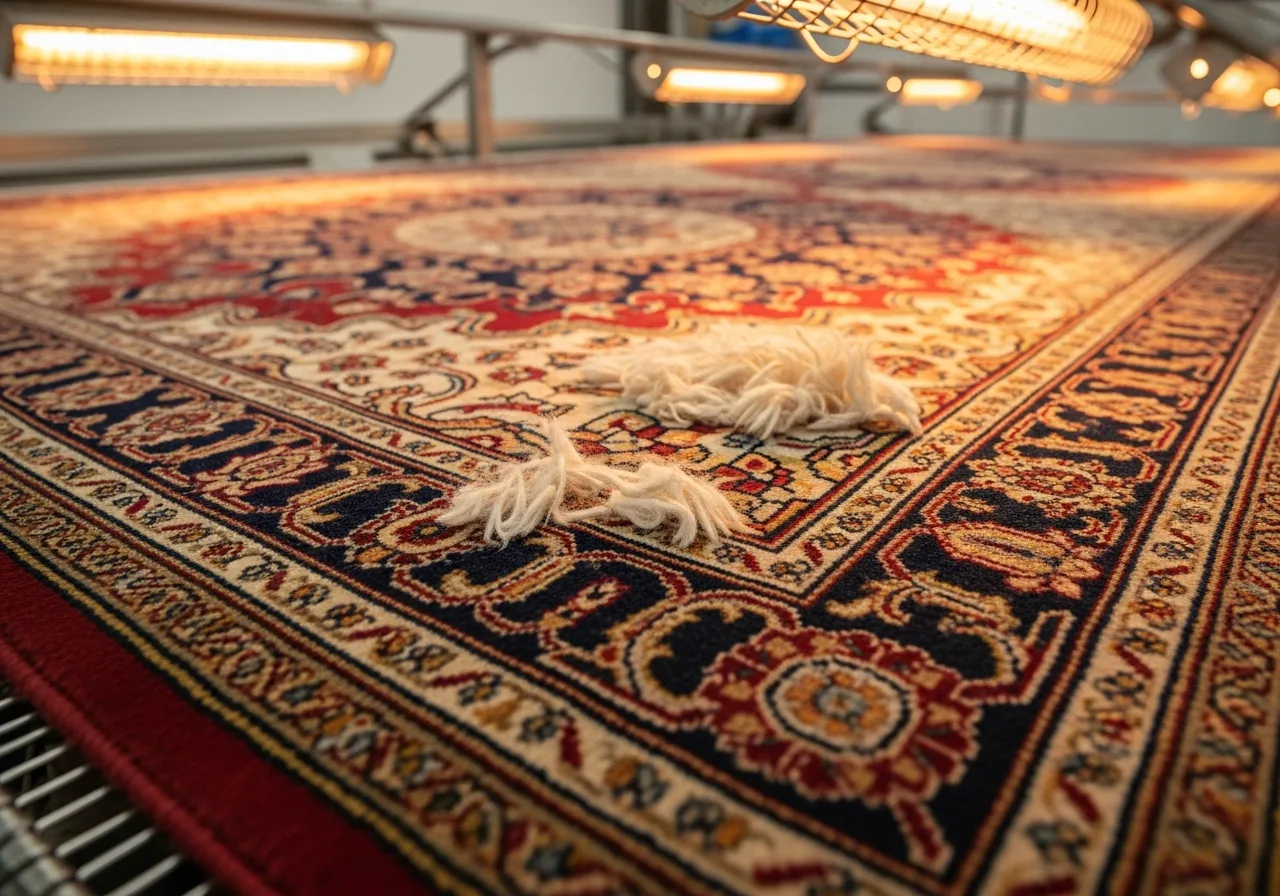
Professional truck-mounted hot water extraction delivers water at 200–250°F under pressures up to 100 psi, penetrating to the carpet backing and extracting up to 95% of contaminants. These systems also handle the drying process more effectively, reducing as much moisture as possible with industrial suction and often outperforming DIY carpet cleaning methods compared to professional services.
When hiring, ask about IICRC certification, expected drying times, and cleaning chemistry—important for households with children, pets, or chemical sensitivities. Budget for professional cleaning every 12–24 months for whole-home carpet, or sooner after major pet accidents or renovation projects, and look for experienced professional carpet cleaning services in Chicago if you’re in that area.
What to Avoid: Common Carpet Cleaning Mistakes
Many carpet disasters stem from too much water, wrong chemical combinations, or impatience with the drying process.
Oversaturation: Carpet can absorb 20–30% of its pile weight in water before becoming oversaturated. Excess moisture soaks into padding, creates conditions for mold growth, and can cause old stains to wick back up during evaporation—leaving you with more dirt visible after cleaning than before.
Weak vacuuming: Robot vacuums and basic cordless stick vacuums can’t replace a powerful vacuum cleaner for regular carpet maintenance. Low-suction devices may recirculate 40% of particulates rather than capturing them. Invest in a strong primary vacuum with HEPA filtration for serious dirt removal.
Dangerous chemical mixing: Never mix vinegar with bleach. This reaction releases chlorine gas, which is dangerous at concentrations as low as 1000 ppm. Stick to simple, known combinations and never “boost” cleaning power by combining products.
Aggressive scrubbing: Stiff brushes, metal tools, or scouring pads can fuzz, fray, or permanently distort carpet pile. This is especially damaging to wool and plush carpets. Use soft to medium bristles and let the cleaning products do the work rather than applying excessive elbow grease.
Choosing Products & Tools for the Best Carpet Cleaning
The right equipment makes effective cleaning faster and protects your carpet fibers over time.
Essential vacuum features:
- Strong suction with HEPA filtration (captures 99.97% of particles at 0.3 microns)
- Height-adjustable brush roll suitable for your carpet pile
- Crevice tools for edges, stairs, and furniture perimeters
- Edge-cleaning capability for baseboards
Stock a cleaning supplies basket with:
- White microfiber cloths (multiple)
- Mild dish soap
- White vinegar
- Baking soda
- Soft-bristle scrub brush
- Spray bottle for cleaning solutions
Choose carpet shampoo and detergents labeled safe for your specific carpet type. Avoid chlorine bleach or high-alkaline cleaners (pH 9–11) unless specifically recommended by your carpet manufacturer.
For pet households: Enzymatic cleaners are particularly effective at breaking down pet urine and other organic stains. These formulas use protease and bacillus cultures to hydrolyze urea rather than just masking odors with a fresh scent. They tackle stains at a molecular level, making them essential for pet messes and pet accidents.
Drying Times & How to Speed Them Up Safely
Quick, complete drying is critical to the best carpet cleaning results. A wet carpet that stays damp too long develops musty odors and creates conditions for microbial growth.
Typical drying ranges:
- Light manual cleaning: 4–6 hours
- Machine extraction in average conditions: 6–12 hours
- Thick pile or humid climates: Up to 24 hours
Speed up drying safely:
- Point box fans across the carpet surface (aim for 500+ CFM airflow)
- Run ceiling fans on high
- Open windows in dry weather to improve air circulation
- Use a dehumidifier in basements or humid conditions (target below 50% relative humidity)
- Opening windows only helps when outdoor humidity is lower than indoor
How to check if carpet is dry: Press your palm firmly into the carpet. It should feel neither cool nor damp. Walk across it—properly dry carpet bounces back rather than feeling heavy or spongy.
Avoid placing heavy furniture or area rugs back onto carpet that isn’t completely dry. Trapped moisture can cause rust marks from furniture legs and dye transfer from rugs; for delicate or valuable pieces, professional rug care and educational resources can help you avoid long-term damage.
Long-Term Maintenance: The Best Way to Keep Carpets Cleaner for Longer
Prevention and routine matter as much as any single cleaning session. Small daily habits compound into dramatically cleaner carpets over years.
Prevention strategies:
- Use doormats at every entrance (both indoor and outdoor mats trap up to 60% of incoming grit)
- Adopt a “shoes-off” policy to reduce soil ingress by 80–85%
- Address pet hair daily in high-traffic areas with a quick vacuum pass
- Keep stain removal supplies accessible for immediate response
Weekly maintenance routine:
- Quick vacuum of high traffic areas and traffic lanes
- Immediate blotting of any new spills
- Light baking soda treatment on trouble spots or areas with stains and odors
Extend carpet life further:
- Rotate area rugs seasonally to even out wear
- Rearrange furniture occasionally to prevent permanent dents and traffic channels
- Schedule professional deep cleaning on your calendar—set reminders for 6- or 12-month intervals so they don’t get forgotten, and plan ahead to contact a professional rug cleaning company when it’s time
- Address stubborn stains promptly before they set permanently
A consistent maintenance routine is the true “best way” to approach carpet care. The best cleaning method in the world can’t undo years of neglect.
FAQ
What is the single best way to clean a very dirty carpet at home?
For an entire carpet that’s heavily soiled, hot water extraction with an upright carpet cleaner delivers the most effective results. Start with thorough vacuuming to remove loose dirt, pre-treat tough stains with appropriate stain types treatments, make slow extraction passes, and ensure complete drying with fans and ventilation. This process achieves 80–90% soil removal in consumer machines.
If you don’t have access to a machine, combining baking soda (to lift dirt and absorb odors), a vinegar or dish soap solution, careful scrubbing with a soft brush, and thorough blotting can still dramatically improve results—provided you allow the carpet to become completely dry before using it.
Is vinegar and baking soda really safe for all carpets?
White vinegar and baking soda are generally safe on most synthetic carpet materials (nylon, polyester, olefin) when diluted and used in moderation. However, on wool, silk, or hand-dyed rugs, the acidity of vinegar (pH around 2.4) may cause color changes or fiber damage.
Always perform a spot test on a hidden area before applying any cleaning solution to the entire carpet. Check manufacturer guidance when available, and when in doubt about delicate materials, consult a professional rug cleaning specialist.
How do I clean carpet if I have dust allergies or asthma?
Use a vacuum cleaner with sealed HEPA filtration and vacuum 2–3 times weekly, focusing on bedrooms and main living areas. HEPA systems capture 99.97% of particles at 0.3 microns, including common allergens.
Schedule deeper hot water extraction cleaning every 3–6 months to remove embedded dirt and allergens that vacuuming can’t reach. Ensure strong ventilation during and after any wet cleaning process to control airborne particulates and humidity levels.
Can I use a steam mop or steam cleaner as the main way to clean my carpets?
Many consumer “steam cleaners” marketed for carpets are actually hot water extractors, which are generally safe when your carpet label allows water-based cleaning. However, true high-temperature steam (212°F+) can damage some carpet fibers and backings, potentially causing shrinkage.
Verify your carpet’s cleaning code before using any steam-based method. When the label is unclear, use a conservative approach with lower temperatures or consult your carpet manufacturer.
How do I know when my carpet needs to be replaced instead of cleaned again?
Signs that cleaning is no longer enough include: permanent dark traffic lanes that don’t improve even after professional treatment, visible backing or matting that won’t lift despite several methods of cleaning, persistent odors that return after professional intervention, and widespread delamination or rippling of the carpet surface.
If professional cleaners can no longer noticeably improve appearance or eliminate odors, or if your carpet exceeds 10–15 years of age with heavy use, replacement often becomes the more cost-effective path forward. When repair costs exceed 50% of new installation value, it’s typically time for a new carpet.